

May 6, 2026
Water ingress usually shows up in ways you don’t expect. A new ceiling stain. A loose tile under your foot. A smell that doesn’t go away, no matter what you think it is.
By that point, water has usually been moving through the building for a while. It found a gap somewhere, took the easiest path, and settled wherever it could. The visible sign you’re looking at is rarely where the problem started.
This is the part that waterproofing and caulking companies deal with every single day, and the reason experienced teams spend more time on early detection than they do on the repair itself.
The Signs Are Almost Always There Before the Damage Is
Most homeowners don’t realise this; water ingress rarely happens all at once. It builds over time, through small signs that are easy to overlook.
A silicone joint that’s starting to pull away from the tile. A patch of paint near a windowsill that looks slightly raised. A bathroom corner where mould keeps returning, no matter how many times you clean it. Taken individually, it all feels minor. To a trained set of eyes, they tell a very specific story.
Silicone experts are essentially building detectives. They’re not waiting for a drip. They’re looking at what the building is already trying to show them.
What Actually Gets Checked During an Inspection
The Caulk and Silicone Joints
This is where the majority of water entry points are found in residential properties. Silicone seals around showers, bathtubs, windows, and external door frames go through daily stress. With constant exposure to hot water, steam, temperature shifts and cleaning products, things wear down. The silicone hardens, becomes less flexible, and begins to separate from the surface.
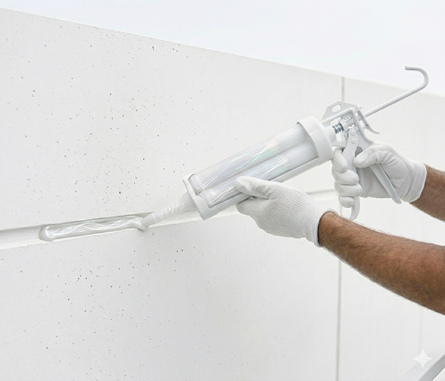
Once that gap opens, water has a direct route behind the tile or into the wall cavity. Professional silicone caulking work involves identifying these joints before the water has had time to travel anywhere significant.
Damp Patches and Staining on Walls or Ceilings
Brown or yellow stains are easy to spot, but finding the source is the harder part. Water moves. That ceiling mark in your kitchen could be coming from a shower issue upstairs. Following that trail isn’t guesswork; it’s something experienced inspectors work through carefully.
Mould That Keeps Coming Back
Mould growing repeatedly in the same spot, especially in areas that aren’t directly hit by steam or splashing, is a reliable sign that moisture is sitting behind the surface. Cleaning it treats the symptom. Finding where the moisture is coming from treats the actual problem.
Efflorescence on External Walls
That white chalky deposit on brickwork or concrete is called efflorescence. It forms when water moves through masonry, picks up mineral salts along the way, and leaves them on the surface as it evaporates. It looks like a minor cosmetic issue. What it tells you is that water is actively travelling through your wall structure.
Tiles That Sound Hollow or Feel Soft Underfoot
Tap a healthy tile and it gives a solid sound. Tap one that has lost adhesion and it sounds different immediately, a dull hollow knock. This happens when water gets beneath the tile and breaks down the adhesive or screed underneath. Wet area inspections always include a physical check of this because it is one of the clearest indicators of water damage that has already progressed past the surface.
Paint That’s Bubbling or Lifting
When paint blisters from behind rather than peeling from the surface, moisture is nearly always the reason. On an external wall, this usually points to a failed cladding seal or a compromised joint. Internally, it tends to mean water is migrating from a wet area nearby or from somewhere above.
How the Inspection Process Works
Stage | What Gets Assessed | Method |
Visual Walkthrough | Joints, staining, mould, surface condition | Torch, camera |
Tap Testing | Tile adhesion across wet area floors and walls | Tap hammer |
Moisture Reading | Moisture levels inside walls and floors | Digital moisture meter |
Flood Testing | Confirming active leaks in wet areas | Controlled water test |
Seal Assessment | Condition of all silicone and caulk joints | Probe, UV light |
Reputable waterproofing and caulking companies go through every one of these stages. Skipping any of them means potentially missing the actual source while treating something downstream of it.
Where Water Gets in Most Frequently
Location | Frequency |
Bathrooms and Showers | 34% |
Windows and Door Frames | 22% |
Roofs and Gutters | 18% |
Balconies and Decks | 13% |
Subfloor and Foundations | 8% |
Retaining Walls | 5% |
Bathrooms are at the top for obvious reasons. Daily hot water exposure, constant steam, cleaning products, and the natural movement of a building over time all work against the seals in a wet area. Without regular attention to shower sealing and recaulking, even a bathroom that was built properly will start showing problems.
Why the Silicone Itself Matters More Than Most People Realise
Not all sealants perform the same way in wet environments. Silicone holds up under heat, moisture, and movement in a way that standard acrylic caulk simply doesn’t. It stays flexible as the building moves. It doesn’t shrink and crack. It resists mould without needing to be retreated constantly.
But the product is only part of it. Proper surface preparation before application is where most DIY attempts and rushed jobs fall apart. Old sealant residue, surface moisture, or contamination at the joint means the new silicone won’t bond properly, regardless of its quality. Silicone experts know that a seal applied correctly over a clean, dry, prepared surface will outlast one applied over shortcuts by years.
The Bottom Line
A failed silicone joint caught early might cost a few hundred dollars to fix properly. The same problem left alone for a year or two can lead to damaged substrate, mould remediation, tile replacement, and, in worst cases, structural repair work. The cost difference is not small.
Waterproofing and caulking companies worth their salt are not in the business of waiting for leaks to become obvious. They’re looking for what’s coming before it arrives.
If something feels off in your bathroom, around your window frames, or near any external wall, act on it sooner rather than later. You will almost certainly thank yourself for it.
At Silicone Caulking Perth, the team brings hands-on experience across residential and commercial properties throughout the Perth metro area. From shower resealing to full wet area waterproofing assessments, they focus on finding what’s actually causing the problem rather than just treating what’s visible. If you’ve noticed any of the signs mentioned above, they’re worth a call before the situation gets any worse.
Contact Silicone Caulking Perth for an Honest Assessment and find out where things stand before water makes the decision for you.